About the NEREUS Project
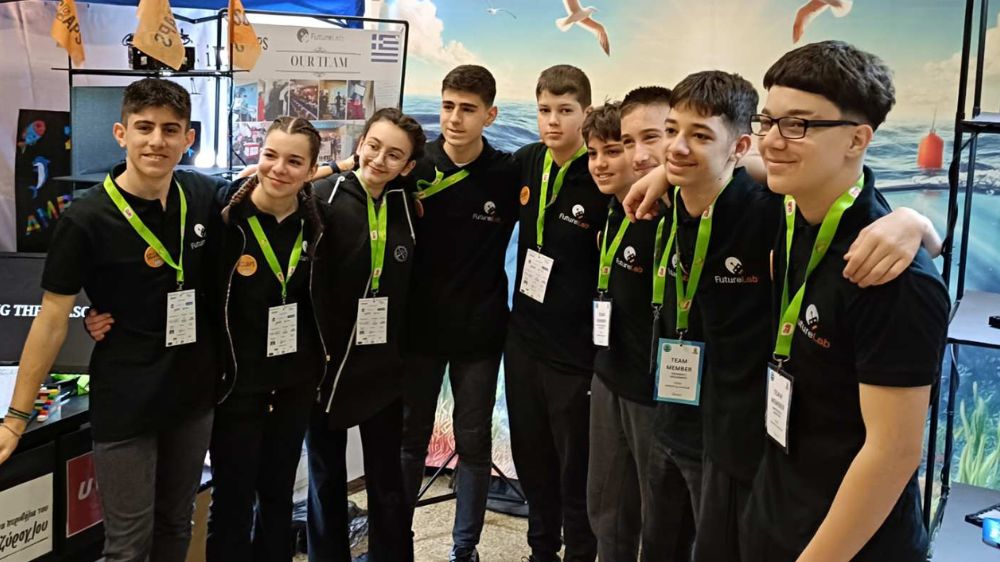
The NEREUS Project is a pioneering research and innovation initiative developed by the SCRAPS by FutureLab team. Its mission is to identify and analyze ocean dead zones in real time using a network of smart buoy-based sensors. These sensors collect critical environmental data such as temperature, dissolved oxygen, carbon dioxide levels, and water clarity. This data is then processed using artificial intelligence to generate predictive insights, helping authorities, scientists, and environmental organizations take action before ecosystems collapse.
Our system has been tested in both the Thermaic Gulf and Lake Lagkadas, where we deployed buoys capable of autonomous data collection and wireless communication with a central analysis platform. The goal is to develop a low-cost, scalable tool that can be used by port authorities, research institutions, and environmental groups across the world.

How It Works
We developed a cost-effective system of buoys that measure key environmental indicators such as dissolved oxygen, water temperature, CO2 levels, and turbidity. These buoys are deployed in the Thermaic Gulf and Lake Lagkadas in Greece. Each buoy transmits real-time data to a central dashboard where AI models analyze the information to predict the risk and development of hypoxic conditions.

The Meaning Behind the Name
The name “NEREUS” is inspired by the ancient Greek sea god Nereus, known as the “Old Man of the Sea.” In mythology, Nereus was wise, honest, and prophetic — a peaceful figure who could foresee the future and guide sailors safely. These traits symbolize the purpose of our project: to peacefully monitor the health of aquatic ecosystems and to provide foresight through data-driven predictions.
Just as Nereus helped heroes navigate the seas, the NEREUS system helps humans navigate complex environmental challenges. We intentionally avoided aggressive or modern-sounding names and embraced something timeless and mythological — linking ancient knowledge to modern technology.

Global Collaboration
As part of FLL, we reached out to universities, researchers, and environmental groups. We collaborated with institutions such as the University of the Aegean, University of Houston, and REMEDIES (a Horizon Europe project). We received valuable input from marine biologists and oceanographers which helped improve our AI's predictive power and sensor design.

Our Broader Vision
Our team doesn’t just want to build a technical solution — we want to inspire a cultural shift in the way we think about the sea. NEREUS aims to promote environmental literacy and empower youth to participate in marine conservation using robotics, AI, and sensors. We collaborate with local authorities, universities, and international experts to ensure that our system is not only accurate but also impactful.
We believe that democratizing access to ocean data will create a new generation of informed citizens and leaders. From children learning about water quality in school to policymakers shaping national marine strategies, our hope is that NEREUS will be a catalyst for awareness and change.